This post is about what I plan to carry on my bike. As I’ve mentioned elsewhere, I will not be camping (except in an emergency), so I don’t have to carry much of that kind of equipment. For clothes, I will wear a biking outfit (shorts and fluorescent yellow shirt for visibility), and have a single change of clothes that I will wear in the evening while I wash what I wore during the day. (That also allows me to look a little more presentable when I go for dinner.) Everything will be synthetic so it can dry overnight. I suppose if I were a real nut, I’d just wear something different to bed and wash my single outfit at the end of the day to avoid carrying the change of clothes. I’m not a nut (he declared forcefully).
I will be traveling through some high altitudes in the west, and even in summer, it can be cool. For this I have a few layers. I will bring silk long john bottoms and top to go under long pants and shirt, an ultralight down jacket (at 5.8 oz for large, world’s lightest at this writing), and a wind shirt (also close to the lightest available). I also have a super light balaclava and gloves. Of course I will wear a helmet, the world’s lightest (Limar) at 7.2 oz. I also have a powerful (but light!) taillight just in case I have to ride in the dark.

I will not wear so called clipless cycling shoes (these are the ones that attach directly to the pedals). That would require a second pair of shoes for walking, and shoes are heavy and bulky. I use strapless cages on my pedals and can wear a comfortable stiff-soled shoe that can be used for walking. Some people have strong opinions about this, but I don’t think there is a significant increase in efficiency with clipless shoes compared to my system.
For rain gear I have only a silicone coated poncho and rain hat. (The latter is a luxury, as the poncho has a hood, but the increase in ventilation and visibility makes it worthwhile. The poncho doubles as an emergency shelter, and is well ventilated while cycling. I’ve tried, and there is no real chance of staying dry while cycling in the rain with jacket and rain pants. Water gets in, and what’s worse, sweat soaks me from the inside out. No, GoreTex doesn’t help. Even a completely non-waterproof outfit gets wet in humid weather even when it’s not raining. I basically plan not to cycle when it rains. In the summer, most rain comes in short thunderstorm cells that usually clear up in an hour or so. The frontal systems we see for much of the year, which can last all day, are rare.
As emergency shelter, I have a 6′ x 8′ tarp along with super light Triptease line and Nobendium stakes. This can be pitched as a rain shelter by attaching to some standing object: a tree, rock, or fence, or by draping over my bike. With a mosquito head net I am bringing, I could sleep under this in an emergency in the buggy East or drier West.
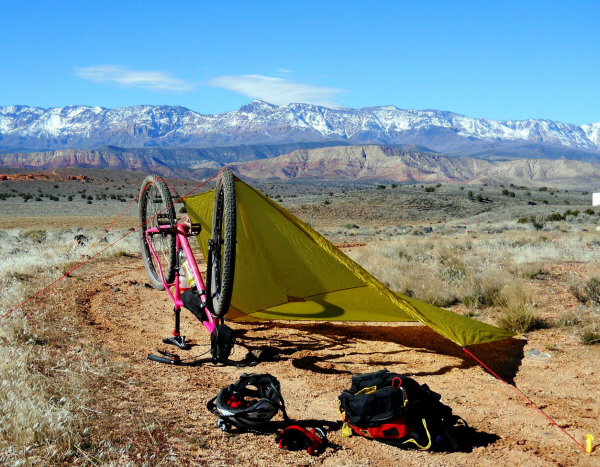
Another option would be to bring some basic camping gear that would add 3 lbs to my load. This would include my MontBel Alpine Down Hugger #5 sleeping bag (18 oz), a mat (11 oz), and a bug bivy (17 oz), a one person, mosquito netting enclosure/tent (see below). I am resisting this for now. I don’t want to bring even 3 lbs of equipment that I end up not using. I definitely will not bring any cooking gear except a plastic cup and spork (a cross between a spoon and a fork, of course). Cooking is really a luxury when you go ultralight. There’s plenty of good food that doesn’t need to be cooked, and I can get hot food along the way most of the time. There will be minimal toiletries as well. Most important will be sunblock.

Bug Bivy
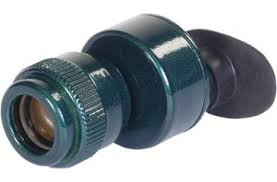
To round things out, I’m bringing a few emergency type items, like basic first aid, flashlight (world’s lightest: Photon 2), space blanket, knife, and the like. I’m bringing a Steripen to UV purify water if needed, as I do when ultralight hiking. My Galaxy Note 3 will be my camera, GPS, phone, and means to update this blog on the road. I’m toying with bringing a 4 oz flexible Bluetooth keyboard to make my blog entries. TOTAL luxury. The phone can also be my books and music. I also am carrying paper road maps cut down to include just my route. I will be away from cell service a lot, and smart phone maps need that. Another minor luxury is a monocular (Golden Eye), the world’s lightest at 0.8 oz.
To secure the bike I will rely on a coil type cable lock (5.8 oz). The bike will be with me at all times, including in my room at night. Only at some meals and a few other times will it be out of my sight. I know there is a risk here, but a Kryptonite is just too heavy. On a practice ride in Pennsylvania, I ran into a German woman on a solo cross country ride. I later heard her bike was stolen. Sobering. Luckily, virtually all my gear will be in the daypack, which I can remove from the rack and carry with me, so at least that will be safe from theft.
I’m still working on tools. These can be heavy. Again minimalism is the key: flat blade and phillips head screw drivers, just the 3 hex keys that fit my bike, an adjustable wrench, chain tool (necessary?), spoke key, a patch kit, compact pump, spare tube, and spare cables. They all go in a seat pack. I’ve learned to change tires without levers.
I’ve described my pack system elsewhere (world’s lightest titanium Tubus Airy and 12 oz daypack strapped to it). I also am bringing a small handlebar pack to carry the day’s food and keep things like paper maps and sunblock handy. So far the lightest useful one I’ve found weighs 23.4 oz, a major weight item, and I’m still looking. Of course I will have a couple of water bottles in light plastic cages. Re-used Poland Spring bottles are lighter than the ones designed for bikes.
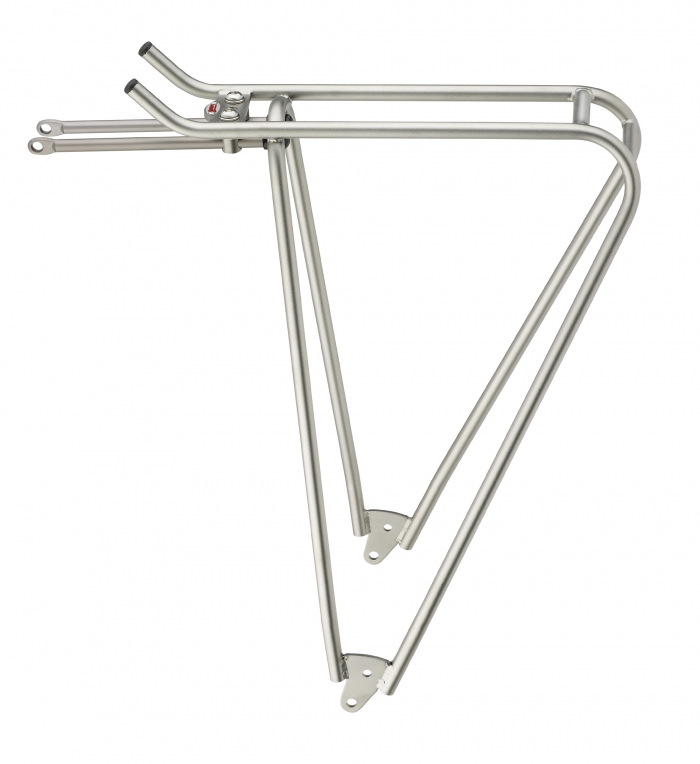
Tubus Airy: titanium
I’ve read several articles and blogs about people biking cross country, and nearly all describe shipping things home after the first week or two. I’d much rather start with too little and buy a few things along the way if I find I need them. Most of my previous touring has been with panniers loaded with too much stuff. It makes riding (especially climbing) hard. But the worst thing is that it takes the fun out of riding. For me cycling gives a feeling of lightness, freedom, and speed that is not matched by any other mode of travel, including (especially?) driving a car or riding a motorcycles. Heavy packs would kill that sense of freedom.
I’ll post a complete list with all weights soon.
BTW: I am indebted to this guy (http://ultralightcycling.blogspot.com/) for many ideas.
 Cross Continent Bike Trip
That’s amazing! You’re doing it why? How long you’ll be gone?
LikeLike
You mentioned that your phone would be your gps, but you are going to bring paper maps for when service is unavailable. Google has a way to create offline maps so those could be stored on your phone as well. https://support.google.com/gmm/answer/3273567?hl=en. They only store for 30 days.
It might still be a good idea to bring paper maps in case your phone runs out of power, but this is just another option. 🙂
LikeLike
I would suggest taking along the ultra light sleeping bag for those 100 mile plus days where you just can’t make it to the next inn—–an additional 3 lbs? Are you going alone?
LikeLike
HOla Gabe! Sitting in Mulege, Mex and Jenn sent me your blog. Let me know if Durango’s on your itinerary and we could hook up, I f not here perhaps somewhere on your route. I could pack up my motorcycle and share a couple days. Let me know?
LikeLike
I don’t know what exact features you’re looking for in a handlebar bag (other than that it weigh nothing) but these are much lighter than the 23.4 oz. one you mentioned. Maybe they would do?
https://www.revelatedesigns.com/index.cfm/store.catalog/Handle-Bar/Sweetroll
LikeLike